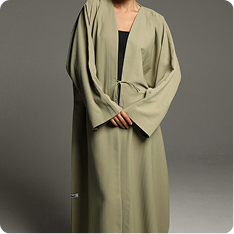
Fashion is always evolving, but the abaya has one of the most fascinating journeys of all. What started as a traditional, functional garment has transformed into a modern expression of style, identity, and quiet luxury. Today’s abaya isn’t just clothing — it’s a silhouette, a statement, and an experience. And no brand captures this evolution more gracefully than RadMade, where heritage meets innovation with effortless harmony.
Let’s explore how abaya silhouettes have evolved over time, and how modern fluidity has completely redefined the way women wear and experience this iconic garment.
1. The Traditional Abaya: Roots in Simplicity
The early abaya was simple, functional, and modest. It was built with one primary intention: coverage. The silhouette was usually straight, loose, and uniform, with minimal variation in cut or shape.
Traditional abayas featured:
A straight-cut profile
Extremely loose draping
Minimal to no seam detailing
Full coverage sleeves
Heavy fabrics for structure
These pieces were practical and timeless, but they didn’t have the tailored sophistication we now associate with modern modest fashion. The structure remained constant for decades — until the industry began embracing design as a language.
2. The Shift Toward Tailored Shapes
As modest fashion gained global visibility, women started seeking silhouettes that respected tradition but also offered comfort, movement, and a sense of personal style.
This is where tailoring reshaped the abaya.
Designers began experimenting with:
Shoulder adjustments
Slight A-line cuts
Flared sleeves
Soft draping techniques
More fluid fabrics
Suddenly, the abaya wasn’t just a garment — it was a tailored experience. The silhouette still maintained modesty but now featured flattering structure and balanced proportions.
RadMade carries this tradition forward through perfectly-balanced cuts that hug nothing but frame everything.
3. The Rise of Modern Fluidity
Modern fluidity marks the current era of abaya fashion — elegant, expressive, and deeply intentional.
Fluidity doesn’t mean loose or shapeless. It means:
Movement
Flow
Soft structure
Freedom
Harmonious drape
Today’s abaya silhouettes prioritize ease, grace, and natural motion. Fabrics respond to movement like water, creating soft waves, smooth lines, and effortless elegance.
RadMade excels at this, using premium materials and clean architectural lines that create fluid silhouettes without sacrificing a refined finish.
4. The Kimono-Inspired Open Abaya
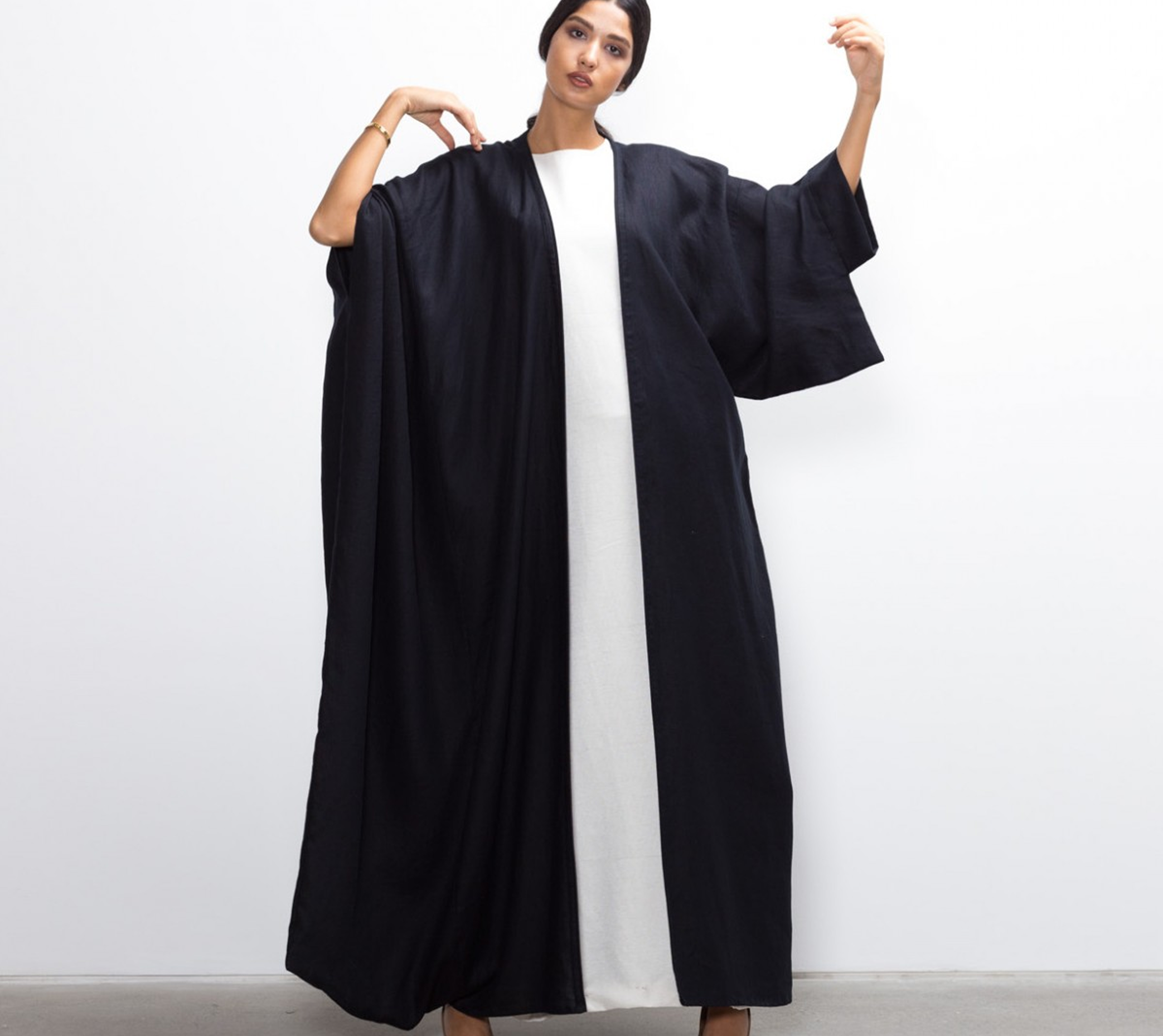
One of the biggest silhouette transformations has come from the kimono-style abaya — open front, relaxed sleeves, and versatile layering potential.
This silhouette offers:
Breathability
Easy styling
Everyday practicality
A modern, universal appeal
Women around the world gravitated toward this style because it balances modesty with contemporary chic. It’s a silhouette that defined the shift toward modern abayas — and RadMade’s open-flow designs are some of the most beloved in this category.
5. The Cocoon and Cape Silhouettes
Modern abaya design also introduced creative shapes inspired by global fashion.
Cocoon Abaya
Characterized by rounded curves and soft volume, the cocoon silhouette:
Frames the body without clinging
Creates a gentle, sculptural shape
Feels comfortable while still looking refined
Cape Abaya
Dramatic and elegant, this silhouette adds:
Movement
Regal presence
A sense of softness and flow
These silhouettes marked a clear shift from linear structure to expressive fluidity — something RadMade incorporates beautifully through clean cuts and sophisticated tailoring.
6. The Evolution of Sleeves: From Traditional to Trendsetting
Sleeve design has become one of the defining features of modern abaya silhouettes.
We’ve seen:
Bell sleeves
Kimono sleeves
Tapered sleeves
Butterfly sleeves
Structured cuffs
Each new sleeve style brought personality and fluid movement into the abaya. RadMade’s designs often highlight subtle sleeve innovations that create effortless elegance without overwhelming the garment.
7. Minimalist Silhouettes: The New Era of Elegance
Today, the most in-demand silhouettes are minimalist, clean, and intentionally structured.
Minimalist abayas prioritize:
Straight but soft lines
Balanced proportions
Seamless flow
Lightweight fabrics
Architecture-inspired tailoring
These silhouettes feel modern, wearable, and timeless — all at once. They’re the kind of pieces that work for all ages and all lifestyles, which is why they’ve become a core part of RadMade’s design identity.
8. Layering-Friendly Silhouettes for Modern Lifestyles
As women began layering inner dresses, jumpsuits, and smart-casual outfits beneath their abayas, designers adapted the silhouette to accommodate this shift.
Layering-friendly silhouettes include:
Slightly oversized cuts
Softer armholes
Open-front designs
Smooth linings
Light fabrics that won’t cling
These silhouettes help women move through workdays, social events, and travel with ease — a core focus in RadMade’s modern collections.
9. Fluidity as an Expression of Identity
The modern abaya silhouette isn’t just about style — it’s about expression.
Fluid silhouettes celebrate:
Confidence
Effortlessness
Feminine strength
Personal comfort
Everyday elegance
There’s something powerful about wearing a garment that moves with you instead of restricting you. It mirrors the modern woman’s lifestyle — dynamic, balanced, and graceful.
10. The RadMade Approach: Tradition Meets Modern Architecture
RadMade’s signature silhouettes combine:
Traditional modesty
Modern tailoring
Minimalist engineering
Soft fluid movement
High-quality fabrics
The result? Abayas that feel timeless yet modern, simple yet sophisticated, structured yet fluid.
RadMade doesn’t just follow the evolution of abaya silhouettes — it advances it.
Final Thought: The Abaya Has Become an Experience
From straight cuts to fluid architecture, the abaya has evolved into a garment that reflects movement, identity, and modern sophistication. Today, silhouettes are designed to empower, elevate, and enhance the woman wearing them — and RadMade stands at the forefront of this beautiful transformation.
The abaya’s evolution is far from over, but one thing is certain: fluidity, minimalism, and modern tailoring are here to stay.